
AGGREGATION · KITU · ATK

Marking code aggregation:
item, case and pallet

A practical model for Chestny ZNAK packing hierarchy: Data Matrix capture, KITU and ATK context, duplicate prevention and an auditable operation history.

Updated: August 31, 2026 · Technical guide
01 / DEFINITION

Aggregation records relationships between packing levels

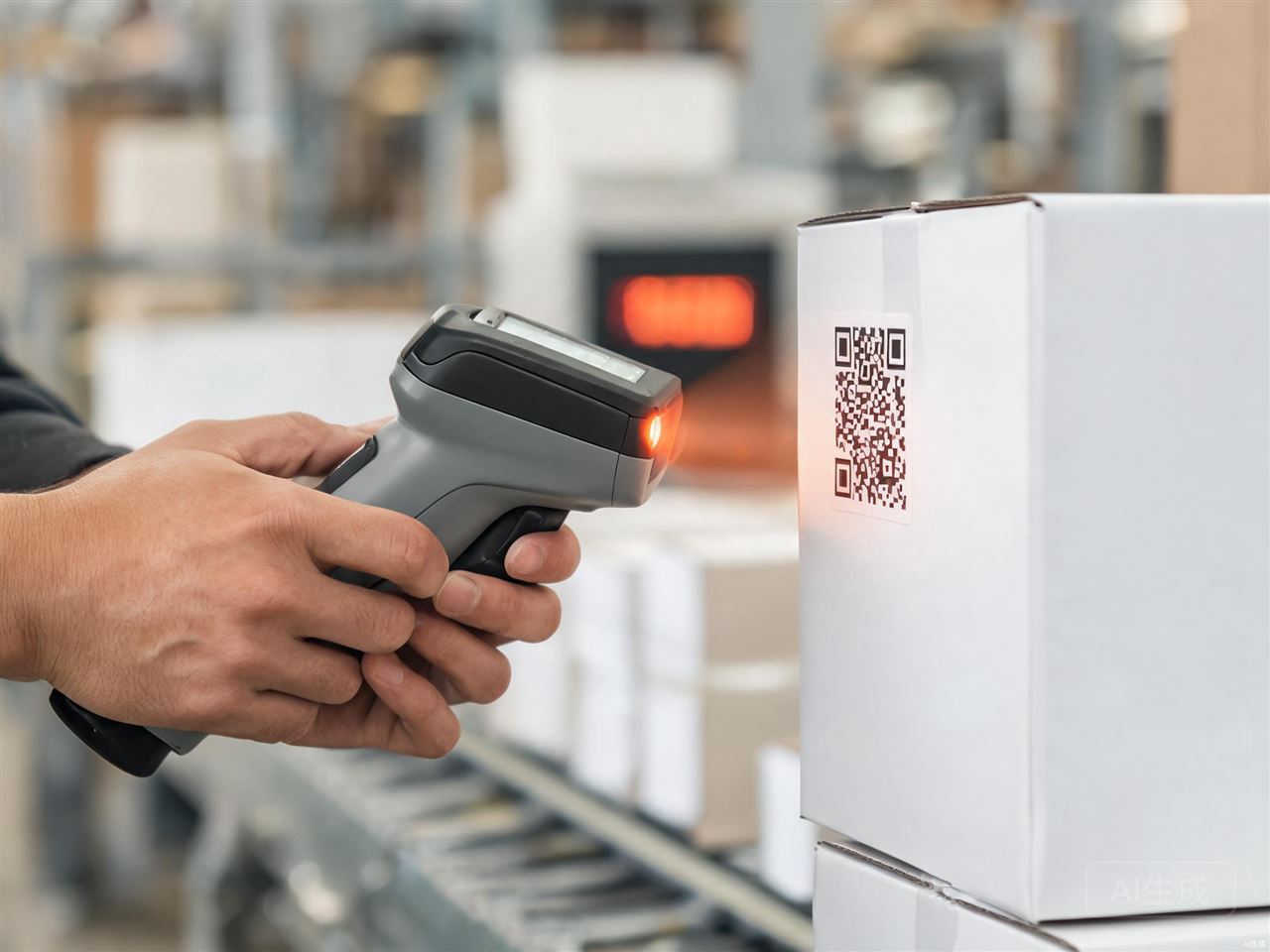
Marking code aggregation creates parent-child relationships between individual item codes, case codes and pallet codes. Scanning a case can reveal its contents; scanning a pallet can reveal every nested case and item.

Official materials describe aggregation as an additional tool for convenience and automation. The necessary case, pallet or customs level depends on the product group, the importer and the logistics model.

Keep the terms distinct

The internal item-case-pallet hierarchy, KITU and ATK are related but not interchangeable. DMC-SCAN captures dependable packing relationships; transmission format and customs use are agreed with the importer.
02 / LEVELS

From one saleable item
to a transport pallet

A clear model makes repacking, replacement, disaggregation and returns manageable without losing traceability.

LEVEL 01

Item code / KI

Uniquely identifies a product unit, usually carried in Data Matrix. Reuse is blocked.

LEVEL 02

Case / KIGU or KITU

Stores the contents of a case. The upper-level code type depends on packaging purpose and product rules.

LEVEL 03

Pallet / KITU

Groups cases for logistics, transfer, disaggregation and traceability.

CUSTOMS

Customs aggregation / ATK

Used in specific import scenarios and formed according to the relevant product-group rules.

03 / OPERATIONS

Six steps to
reliable aggregation

Relationships are captured during the physical packing operation instead of being reconstructed manually after the shift.

  1. 01

    Open a case by scanning

    Validate uniqueness and associate the case with the order, product and work team.

  2. 02

    Scan items one by one

    Validate format and duplicates, add the code to the current case and update the count.

  3. 03

    Close the completed case

    Auto-close at configured capacity or confirm a partial case with an operation record.

  4. 04

    Open a pallet

    Add closed cases in the actual palletizing sequence.

  5. 05

    Complete the pallet

    Lock its contents at capacity and open the next pallet.

  6. 06

    Deliver the data

    Export the hierarchy in an agreed format or transmit it through a project integration.

04 / DATA QUALITY

Four errors
the system must stop

Fast packing has little value if the data contains duplicates, mixed cases or missing offline operations.

01

Duplicate item

Validate at scan time and check again before the operation is confirmed.

02

Duplicate case or pallet

Enforce uniqueness across every level of the packing hierarchy.

03

Uncontrolled correction

Record user, time, previous value and reason for replacement, deletion or repacking.

04

Offline data loss

Store operations locally on the handheld and synchronize them after connectivity returns.

05 / FAQ

Questions about aggregation

Is Chestny ZNAK aggregation mandatory?

Official materials describe aggregation as an additional tool. The required level depends on the product group, importer and logistics process.

Are KITU and ATK the same?

No. KITU identifies transport packaging, while ATK is used in specific import and customs processes.

Are item codes retained after aggregation?

Yes. Aggregation retains the codes and adds their relationships with cases and pallets; it does not delete the lower level.

Can one item code be included in two cases?

No. The system must immediately block a code that is already assigned to another case.

Official information

Verify current definitions of aggregation, KITU and import processes in the official Chestny ZNAK question-and-answer section.

AGGREGATION PROJECT

Accurate packing hierarchy
on every shift.

Share case capacity, cases per pallet, handheld quantity and the importer's data format. We will prepare a focused demonstration.